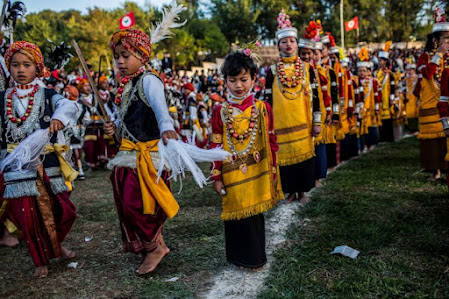
DRAPES OF NORTH EAST INDIA (How to wear)
Drapes of Northeast India: Living Traditions in Cloth Across Northeast India, cloth is a language of identity, memory, and belonging. Worn by the region's many Indigenous communities, draped textiles embody histories of weaving, kinship, landscape, and ritual. Unlike tailored clothing, these garments rely on the intelligence of folding, wrapping, knotting, and layering, allowing a single length of handwoven fabric to adapt to everyday life as well as ceremonial occasions. The diversity of draping traditions reflects the cultural richness of the region. From the Khasi Jainsem and Dhara of Meghalaya, to the Naga wraps and shawls, the Mizo Puan , the Manipuri Phanek , the Assamese Mekhela , and the garments of the Adi, Apatani, Garo, Bodo, and many other communities, each drape carries its own vocabulary of form and meaning. The way a textile is folded, secured, or paired with another cloth often communicates age, occasion, community, or social significance. This illustrated guide...